About
Reconnecting You to Yourself and Your True Purpose


Our Practice
From the beginning, Ruston was built slowly, intentionally, and with care. Clear systems, transparent communication, and ethical foundations matter here. Trust is earned and protected, and meaningful growth should never come at the expense of people.
For clients, Ruston Therapy offers care that honors full stories, not just diagnoses. Many people come to therapy carrying shame, fear, or the belief that they do not quite belong. Our goal is that from the very first interaction, clients feel safe, seen, and respected, with the assurance that their story matters here. Healing happens best within relationships that are well-contained, ethically grounded, and rooted in consent, clarity, and trust.
For therapists, Ruston Therapy is a professional home designed to feel supportive rather than extractive. We recognize that clinicians are whole people business owners. We aim to reduce the operational and administrative burden of practice while offering clarity, mentorship, and community. Respect for clinicians’ time, limits, and lives outside of work is non-negotiable.
Ruston is a home for thoughtful, grounded clinicians who value depth, reflection, cultural responsiveness, and ongoing growth. We believe success and integrity can coexist, and that when clinicians are supported in doing work they love, it shows in the quality of care, in sustainable practices, and in the communities we build together.
As we grow, protecting our culture matters most. Growth should never come at the cost of care. Our hope is that Ruston remains a place where people feel safe to heal, grow, and belong, and where ethical, compassionate work is lived every day.
clarity, and humanity.

Founder’s Story & Vision
Ruston Therapy was born from both the founder’s clinical experience and her lived experience.
She was born on the island of Oʻahu, Hawaiʻi, and raised between Hawaiʻi and the Bay Area of California. As a third-generation Asian American with Japanese, Chinese, and Native Hawaiian roots, she grew up navigating multiple cultures, identities, and expectations. From an early age, she learned what it feels like to belong everywhere and nowhere at the same time. These experiences shaped how she understands people, systems, and the complexity of identity and belonging.
Her life path has not been linear. Becoming a mother at a young age, navigating significant personal transitions, and rebuilding stability over time profoundly shaped her understanding of resilience, vulnerability, and responsibility. She understands the tension of holding ambition alongside caregiving, fear alongside hope, and exhaustion alongside purpose. She also knows what it feels like to move through systems that do not always make space for complexity, culture, or humanity.
During a long season of rebuilding, she returned to school and discovered psychology not only as an academic pursuit, but as a way to better understand herself, her children, and the systems that shape mental health. She earned her bachelor’s degree in Psychology and later completed a Master of Science in Counseling Psychology.
Her clinical work began in residential inpatient and intensive outpatient settings, where she specialized in eating disorders and co-occurring mental health conditions. She later transitioned into community mental health as part of the WISE team, working closely with children and families. Across these roles, she repeatedly noticed a disconnect between stated values and day-to-day decisions, particularly around culturally responsive care, clinician support, and ethical practice.
As a new graduate, she often felt she was navigating her early clinical years without a clear roadmap. While she had supervision, she still questioned whether she was truly doing it right, both clinically and from a practice-building perspective. That experience stayed with her and informed the way Ruston Therapy would eventually be built.
Ruston represents the practice she once needed and the workplace she wished had existed earlier in her career.
She believes deeply that people’s stories do not disqualify them, but shape who they become. Healing does not require erasing the past. Often, it begins with being seen, respected, and understood. Her work and this practice are grounded in compassion, integrity, and accountability, and in the belief that care can be both clinically excellent and deeply human.
Our Team
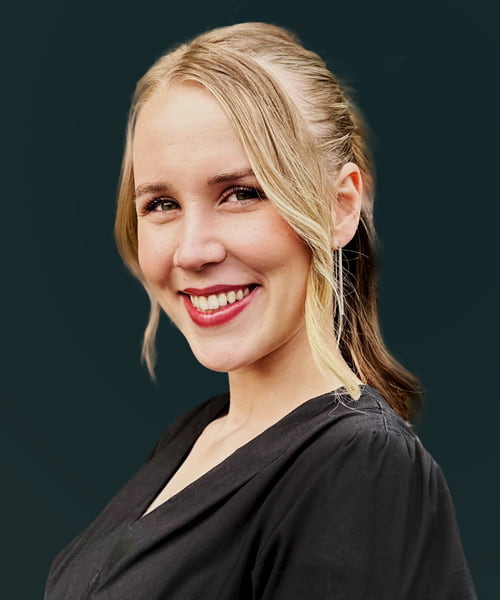
Her experience spans clinical operations, team development, marketing, and systems design, with a focus on reducing administrative burden so providers can focus on meaningful client work. She is passionate about creating structures that feel supportive and about developing workplace communities.
Cassidy is also a registered yoga teacher and longtime advocate for integrative, whole-person care. At Ruston, she helps shape systems, resources, and community offerings with the belief that when therapists are supported, clients receive better care.
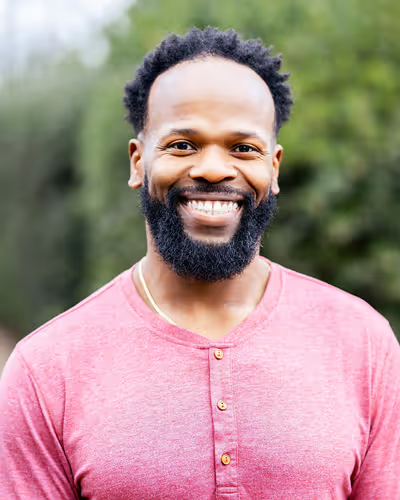
Jonathan earned his Master’s in Mental Health Counseling from Central Washington University, where his training also included school counseling and ethnic studies. His work is grounded in cognitive and behavioral approaches such as CBT and DBT, while remaining deeply informed by trauma-aware and culturally responsive care. Throughout his career, Jonathan has worked with individuals facing complex challenges, including anxiety, trauma, and co-occurring disorders.
As a Clinical Supervisor, he aims to create a collaborative and supportive environment where clinicians can grow their confidence, sharpen their clinical thinking, and develop sustainable approaches to doing meaningful work in the field.
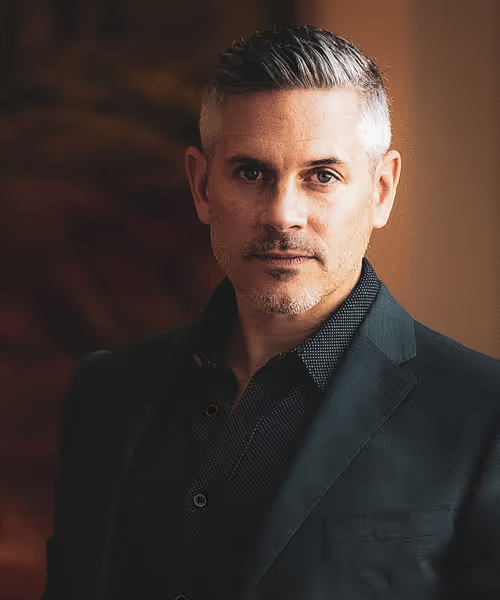
Driven by a "clinician-first" philosophy, Jason is dedicated to removing the "technical friction" that often leads to provider burnout. From designing HIPAA-compliant workflows and SEO/AEO-optimized platforms to providing hands-on guidance for virtual setups and high-end hardware, he ensures our team has a world-class environment to thrive in. By developing transparent pay-report systems and providing comprehensive marketing support, including social media strategy, video production, and custom clinical worksheets, Jason empowers our therapists to focus entirely on their clinical craft.
As a strategic partner to the Founder and Practice Director, Jason bridges the gap between design, technology, and high-impact business decisions. His work ensures that Ruston Therapy Group remains a modern, accessible, and high-performance practice that is as functional as it is impactful.
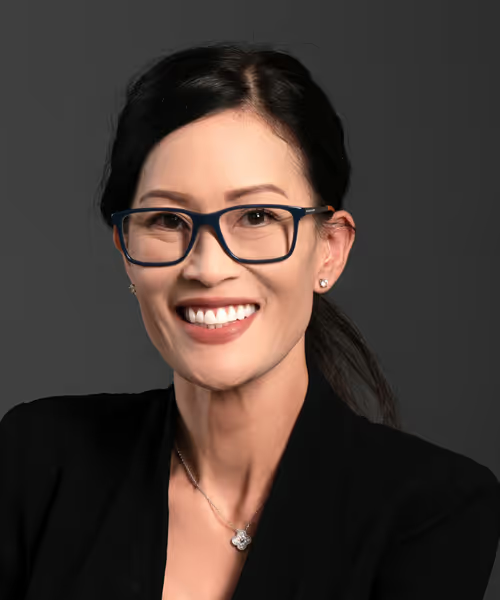
As Clinical Director, Nicole oversees the therapeutic integrity of the practice, specializing in Cognitive Behavioral Therapy (CBT), Dialectical Behavior Therapy (DBT), and Solution-Focused Therapy (SFT). She is deeply passionate about addressing complex challenges—such as life transitions, women’s issues, and anxiety—through a collaborative, goal-focused lens. By fostering a culture of radical self-acceptance and lifelong wellness, Nicole ensures that Ruston Therapy Group remains a sanctuary for personal transformation and community well-being.